如何用 Midjourney 做出有质感的「繁花」风|附完整提示词拆解
· 10 分钟阅读
用 Midjourney 复刻《繁花》油润通透的 90 年代上海电影感:伦勃朗光、琥珀青色调、前景遮挡构图与完整 Prompt 拆解。附王家卫美学关键词与参数建议,复制即用。
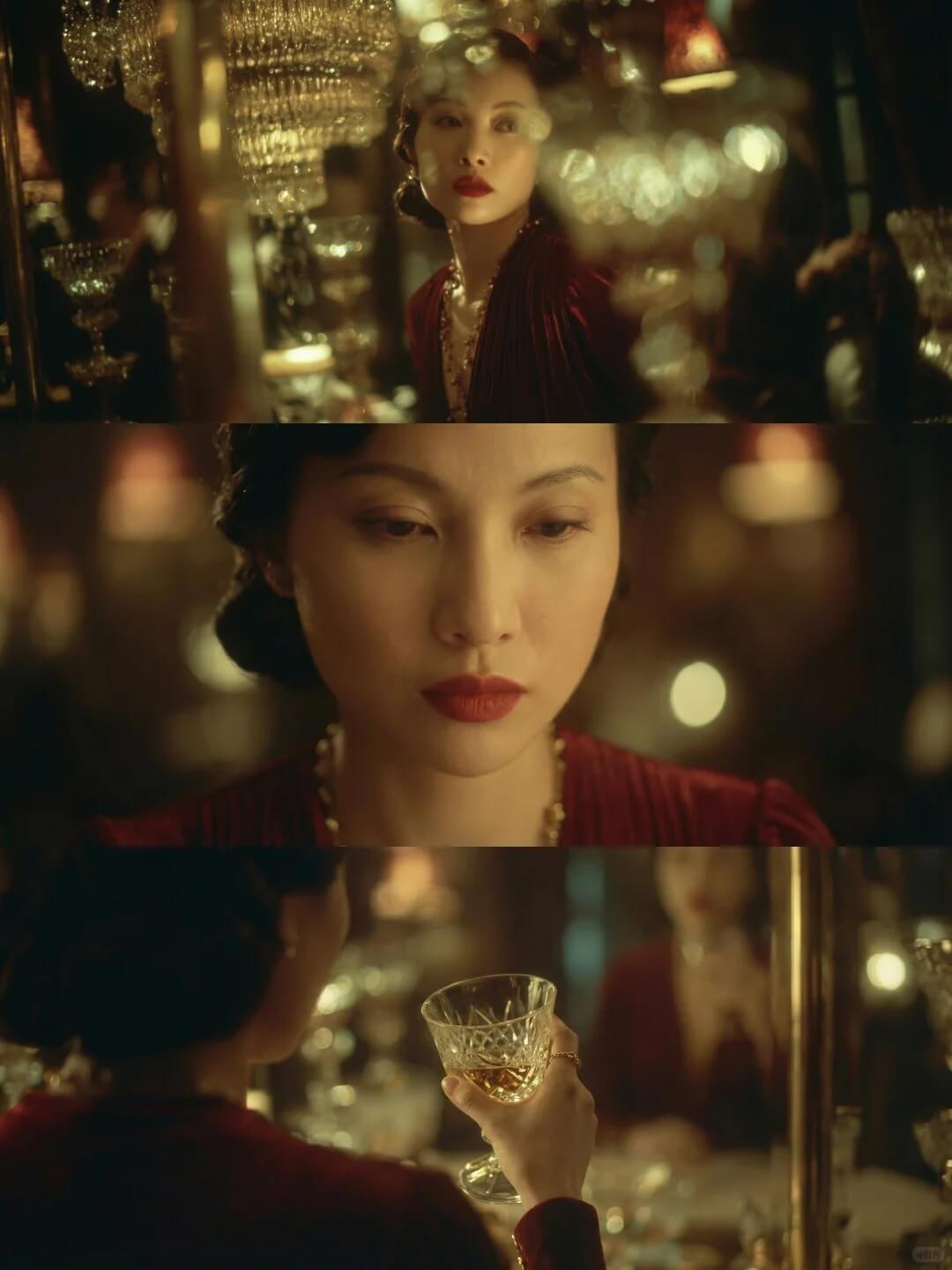
声明:本文配图均为 AI 生成。
如果你最近刷到过《繁花》的剧照,一定对那种油润、通透、充满复古情调的画面印象深刻。王家卫镜头下的 90 年代上海,琥珀色的灯光、氤氲的烟雾、velvet 质感的裙摆——这一切,用 Midjourney 其实完全可以复刻。
但难点在于:Midjourney 不是简单的「描述画面」就能出好图。你需要用对关键词、用对结构,才能让 AI 理解你想要的那种「电影感」。
今天这篇文章,我就把自己反复调试出来的一套 Midjourney「繁花风」提示词方法论完整拆解给你。文末附完整案例,复制即可用。
一、先理解「繁花」的美学是什么
很多人以为繁花风就是「王家卫风格」的简单复制。其实不然。
《繁花》的美学不同于早期王家卫电影的胶片颗粒感,它追求的是一种油润与通透并存的质感——画面有厚度,但不浑浊;有复古感,但不粗糙。
具体来说,有这几个核心特征:
光影: 伦勃朗光(Rembrandt lighting)为主,配合琥珀色与青色的冷暖对冲(Amber and Teal),明暗对照强烈(Chiaroscuro),轮廓光(Rim Light)勾勒人物边缘,整体弥漫着电影烟雾感(Cinematic Haze)
构图: 大量使用前景遮挡(Foreground Obstruction)、镜像反射(Reflection/Mirror)、双重曝光(Double Exposure)来制造层次和神秘感
色彩: 暖色调的橙黄红与冷色调的青蓝绿高饱和并存,高光偏黄,阴影偏青
质感: 丝绒(Velvet)、玻璃(Glass)、烟雾(Smoke)、金箔(Gold Leaf)——这些材质词汇是提示词里的「点睛之笔」

二、Midjourney「繁花风」提示词拆解:光影篇
在 Midjourney 中控制光影,不能只写「lighting」这种泛泛的词。你需要精确到光源类型、光的方向、光的颜色。
核心光影关键词
| 关键词 | 作用 |
|---|---|
| Rembrandt lighting | 伦勃朗光,面部一侧有倒三角亮区,戏剧感极强 |
| Amber and Teal | 琥珀色与青色对冲,暖皮肤 + 冷背景的经典配色 |
| Chiaroscuro | 明暗对照法,强化光影对比 |
| Rim Light | 轮廓光,让人物从背景中「跳」出来 |
| Cinematic Haze | 电影烟雾感,制造氛围和层次 |
| Warm tungsten light | 暖色钨丝灯,柔和的皮肤光泽 |
实战技巧: 把这些词组合在一起,而不是单独使用。比如:
Rembrandt lighting, warm tungsten light with soft glow on skin, amber and teal color palette, cinematic haze in the background
这样 Midjourney 就能理解你想要的是一个「有明暗对比、暖皮肤冷背景、带烟雾氛围」的画面。
三、Midjourney「繁花风」提示词拆解:构图篇
构图是决定画面有没有「电影感」的关键。Midjourney 对构图词汇的理解能力在 V6/V7/V8 版本中已经有了质的飞跃。
核心构图关键词
| 关键词 | 作用 |
|---|---|
| Foreground Obstruction | 前景遮挡(如虚化的水晶灯、玻璃隔断),制造景深层次 |
| Double Exposure | 双重曝光,增加画面的叙事性和梦幻感 |
| Reflection / Mirror | 镜像反射,利用镜子、玻璃制造空间折叠感 |
| Shallow depth of field | 浅景深,主体清晰、背景虚化 |
| Foreground bokeh | 前景焦外虚化,这是「繁花风」最标志性的手法之一 |
关键洞察: 前景遮挡是王家卫最常用的构图技巧。在 Midjourney 提示词中,你不仅要描述主体,还要明确描述「通过什么看过去」。
比如本文配图的提示词就用了:
Viewing a mysterious woman in a velvet dress through a foreground obstruction — blurred crystal chandelier or textured glass partition
这就是告诉 Midjourney:我要的是「透过某样东西看人物」,而不是直接拍人物。
四、Midjourney「繁花风」提示词拆解:质感篇
质感决定了画面是「像剧照」还是「像廉价滤镜」。
核心质感关键词
| 关键词 | 作用 |
|---|---|
| Wong Kar-wai Style | 王家卫风格,锁定整体的美学调性 |
| 90s Shanghai Vibe | 90 年代上海氛围,锁定时代和地域 |
| Glossy Texture | 油润质感,这是繁花区别于早期王家卫的关键 |
| Neon Noir | 霓虹黑色电影,增加都市感和夜色氛围 |
| Velvet / Glass / Smoke / Gold Leaf | 具体材质词汇,让 AI 理解画面的物质感 |
一个容易被忽视的点: 很多人在 Midjourney 提示词里堆砌「高清」「逼真」这类词,但对于繁花风来说,**适度保留胶片的「不完美」**反而更重要。老式胶片在低光环境下的光晕溢出(Halation)、焦外成像(Bokeh)的迷离感——这些「缺陷」才是质感的来源。
五、完整案例展示
下面就是本文配图所使用的完整 Midjourney 提示词。你可以直接复制使用:
完整 Prompt
Cinematic shot, Wong Kar-wai aesthetic, interior of a luxurious 1990s Shanghai restaurant. Viewing a mysterious woman in a velvet dress through a foreground obstruction — blurred crystal chandelier or textured glass partition. Extreme shallow depth of field, foreground bokeh. Rembrandt lighting, warm tungsten light, soft glow on the skin, sparkling highlights. Amber and teal color palette, chiaroscuro, rim light, cinematic haze. Velvet, glass, smoke, and gold leaf textures. Secretive, opulent, romantic tension. --ar 16:9 --stylize 200 --no text, watermark, modern digital look
逐段拆解
- 主体与场景:
Cinematic shot, Wong Kar-wai aesthetic, interior of a luxurious 1990s Shanghai restaurant—— 锁定电影感、王家卫美学、90 年代上海餐厅 - 构图:
Viewing a mysterious woman in a velvet dress through a foreground obstruction — blurred crystal chandelier or textured glass partition—— 前景遮挡构图,透过虚化的水晶灯或玻璃隔断看人物 - 景深:
Extreme shallow depth of field, foreground bokeh—— 极浅景深 + 前景焦外虚化 - 光影:
Rembrandt lighting, warm tungsten light, soft glow on the skin, sparkling highlights—— 伦勃朗光 + 暖钨丝灯 + 皮肤柔光 + 高光闪烁 - 色彩:
Amber and teal color palette, chiaroscuro, rim light, cinematic haze—— 琥珀青色调 + 明暗对照 + 轮廓光 + 烟雾感 - 质感:
Velvet, glass, smoke, and gold leaf textures—— 具体材质描述 - 情绪:
Secretive, opulent, romantic tension—— 氛围关键词 - 参数:
--ar 16:9 --stylize 200 --no text, watermark, modern digital look—— 宽幅比例、风格化程度适中、排除干扰项
参数说明
--ar 16:9: 电影级宽幅比例--stylize 200: 风格化 100–300 之间最能获得「电影感但可控」的效果--no text, watermark, modern digital look: 排除文字、水印和现代数码感
六、进阶技巧:如何微调出不同变体
同一个提示词,你可以通过替换部分关键词来获得不同风格的变体:
变体 1 — 更冷峻的氛围: 把 Amber and teal 换成 Cool teal and deep blue,把 warm tungsten light 换成 cold neon light
变体 2 — 更复古的胶片感: 在末尾加上 film grain, 35mm, slight halation
变体 3 — 白天场景: 把 interior of restaurant 换成 daylight through venetian blinds,去掉 neon noir
变体 4 — 更强调人物情绪: 增加 close-up portrait, melancholic expression, eyes telling a story
调整风格化参数: --stylize 100 更忠实于提示词(适合商业设计),--stylize 500+ 更放飞 AI 的创意(适合概念探索)
七、总结:繁花风 Midjourney 提示词的核心公式
最后,给你一个可以举一反三的公式:
繁花风 = 王家卫美学 + 90 年代上海场景 + 前景遮挡构图 + 伦勃朗光 + 琥珀青色调 + 油润质感 + 电影烟雾感 + --ar 16:9 --stylize 200
记住:Midjourney 不是咒语生成器,它是视觉语言的翻译器。你给的提示词越「电影化」——有镜头、有光线、有构图、有材质——它给你的画面就越有质感。
用好上面这套方法论,你也能用 Midjourney 生成属于自己的「繁花」时刻。
如果你觉得这篇教程有用,欢迎收藏和转发。更多 Midjourney 提示词技巧,持续更新中。